

Sustainable clothing is often searched by people dealing with the same issues: clothes that feel uncomfortable in heat, fabrics that don’t breathe, and pieces that lose their shape too quickly.
Most of these problems come from fabric choice.
Natural fabrics behave differently. They allow airflow, adapt to movement, and improve with use instead of breaking down. This is why materials like hemp, linen, cupro, and organic cotton have become central in long-term wardrobes.
What Makes a Fabric “Sustainable” in Real Use
Sustainability is not only about production. It shows up in daily wear.
A fabric becomes practical when it:
- stays comfortable in warm conditions
- doesn’t trap moisture
- holds its structure after repeated washing
- doesn’t need frequent replacement
Synthetic fabrics often fail in these areas. Natural fibers perform better because they interact with air and moisture instead of blocking them.
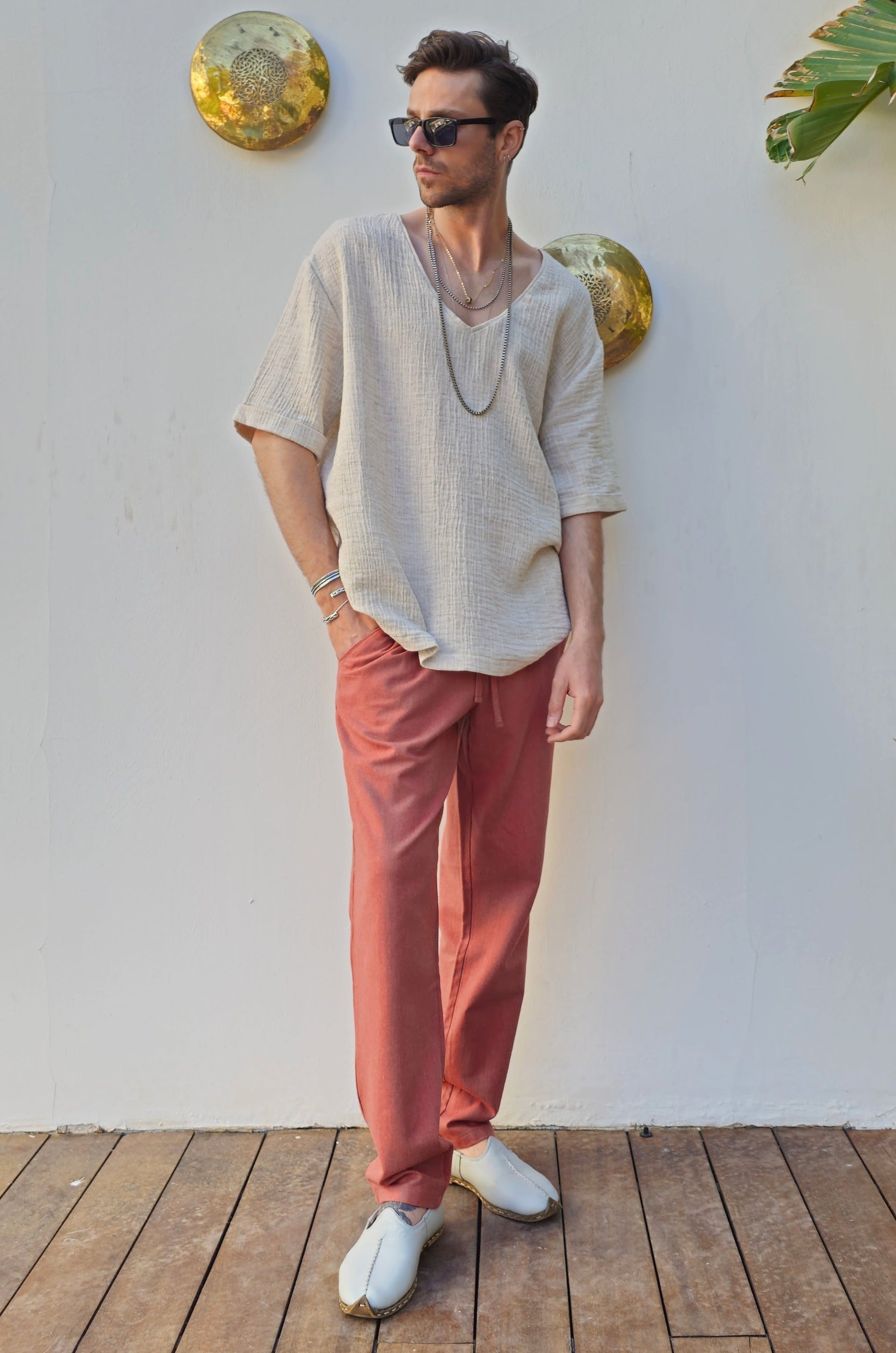
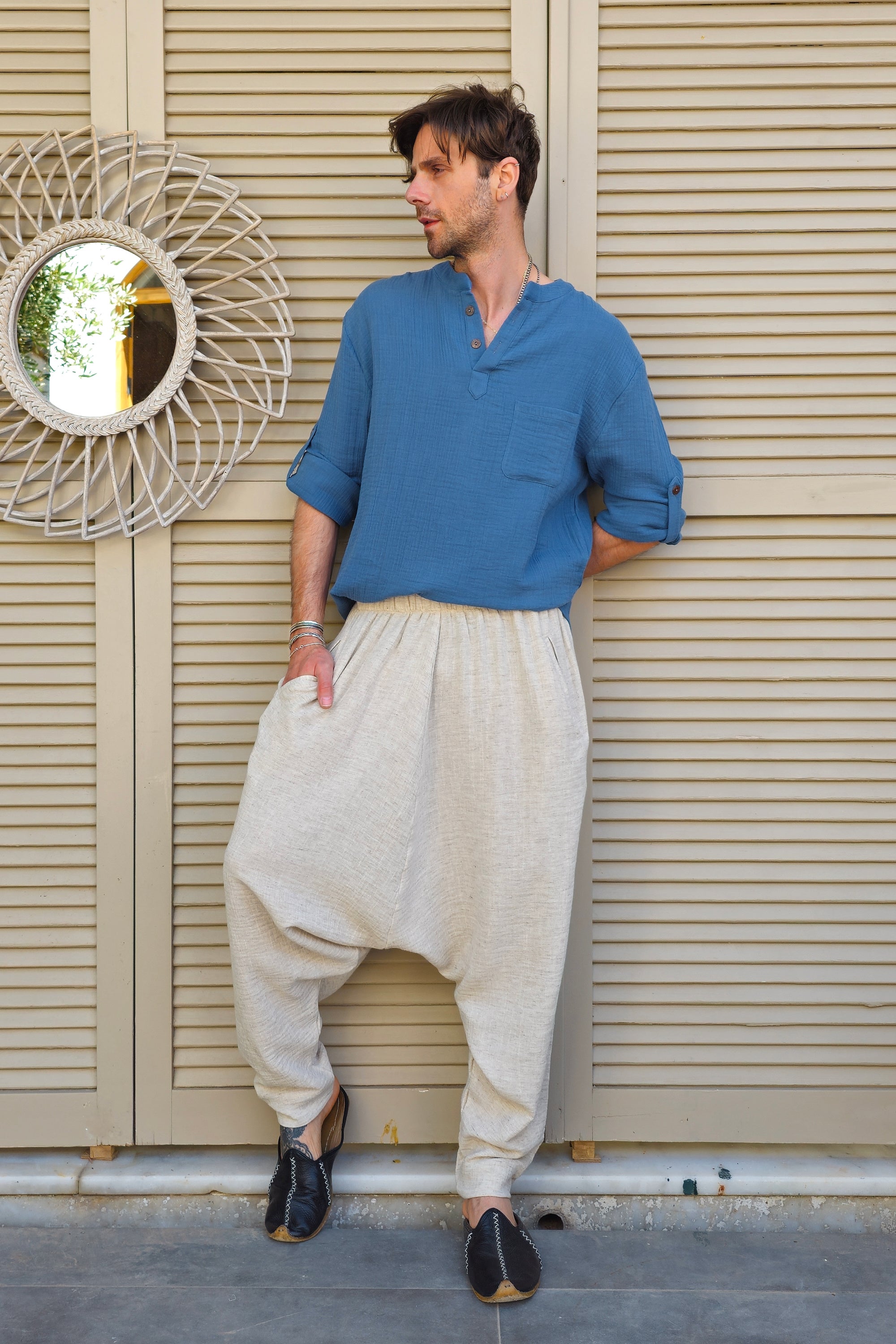
Hemp Clothing: Long-Term Durability with Breathability
Hemp is one of the strongest natural fibers used in clothing.
It is suitable for:
- everyday wear
- travel
- warm climates
- repeated use without deformation
Key properties:
- high durability → resists wear over time
- breathable structure → reduces overheating
- softens after washing → improves comfort
- low water and pesticide requirement in cultivation
Cupro (Vegan Silk): Soft Drape Without Heat Retention
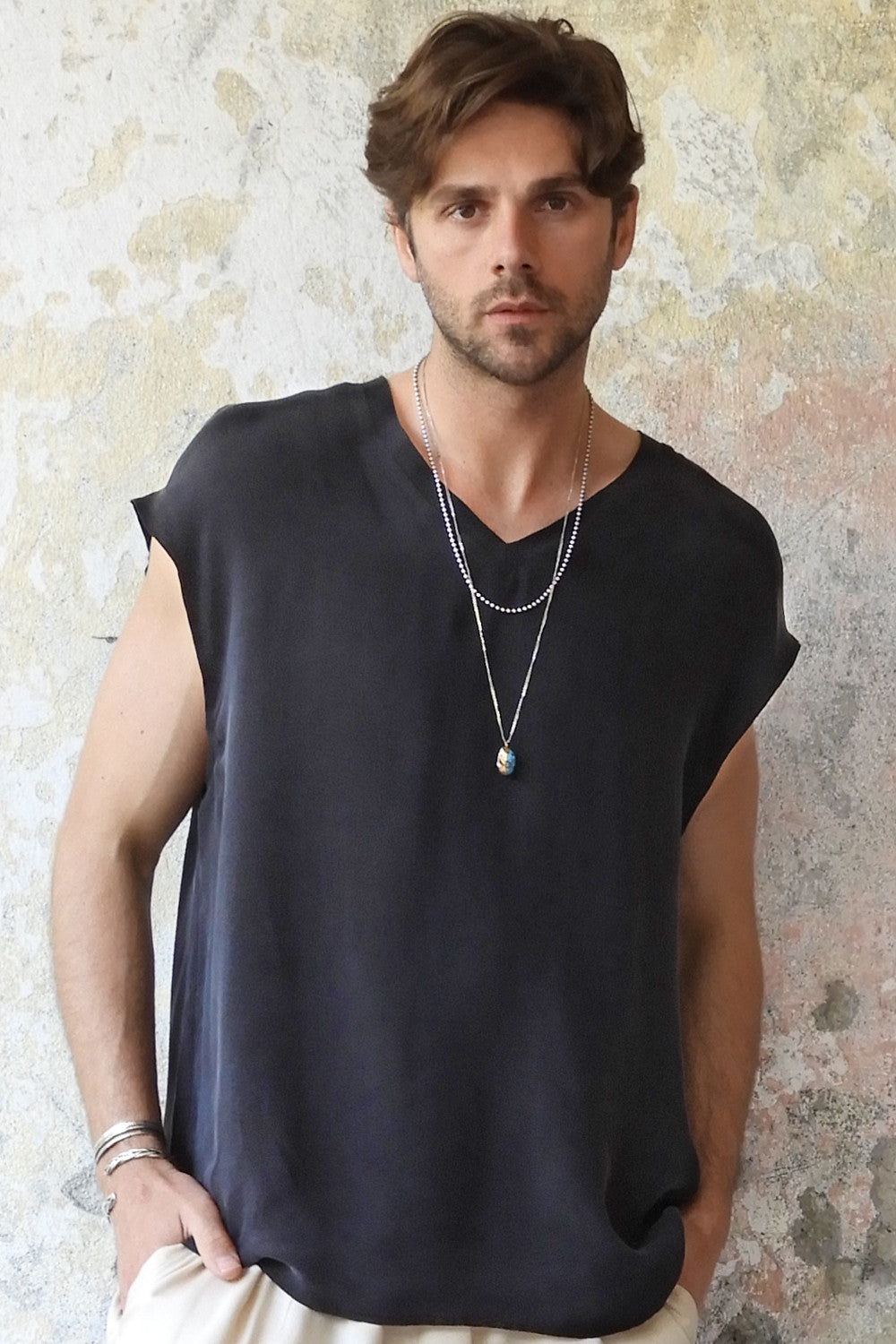
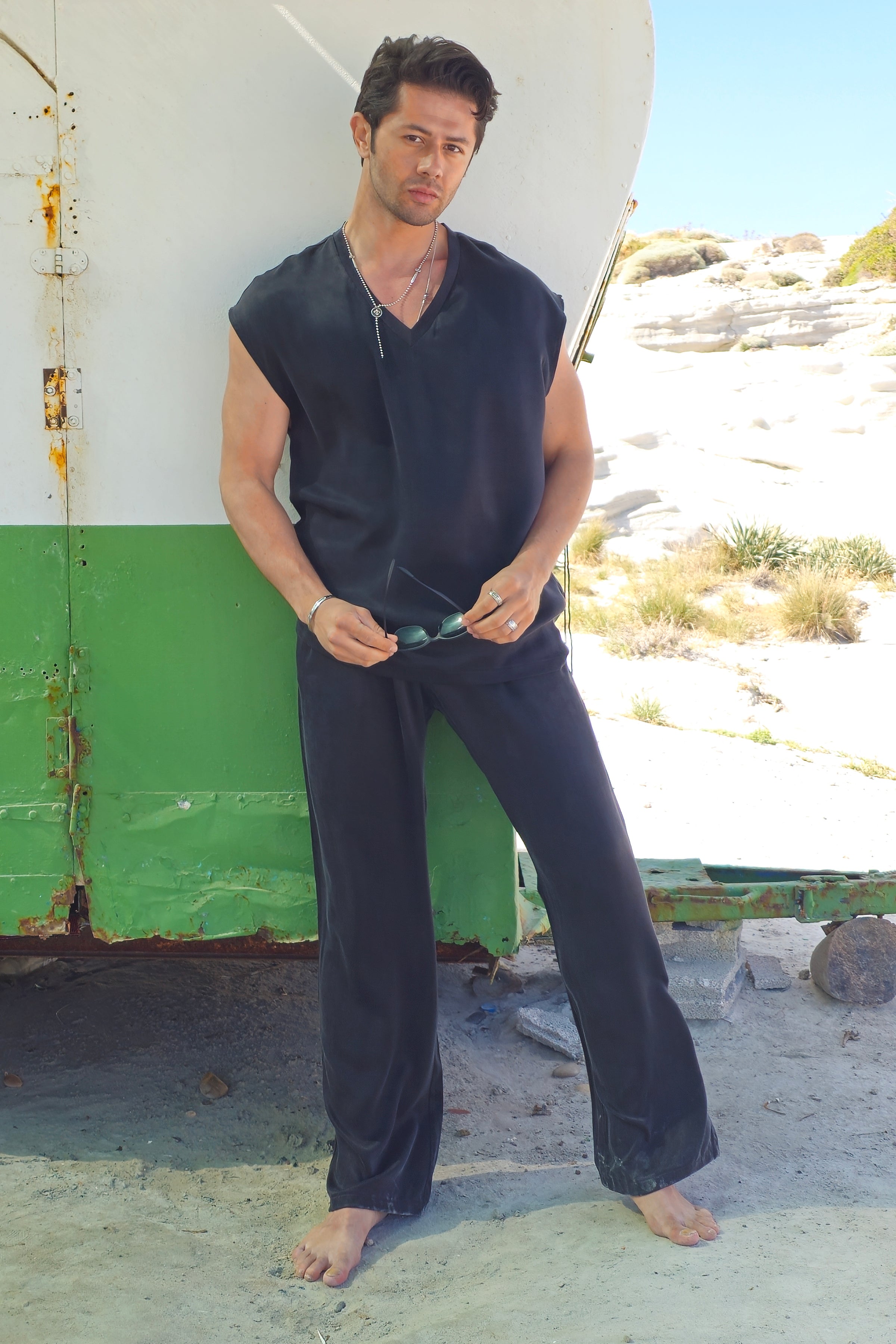
Cupro is produced from cotton linter, a by-product of cotton processing. It is often used as a silk alternative.
It is suitable for:
- lightweight outfits
- fluid silhouettes
- warm-weather wear where airflow matters
Key properties:
- smooth, soft surface
- breathable and lightweight
- biodegradable
- does not trap heat like synthetic satin or polyester
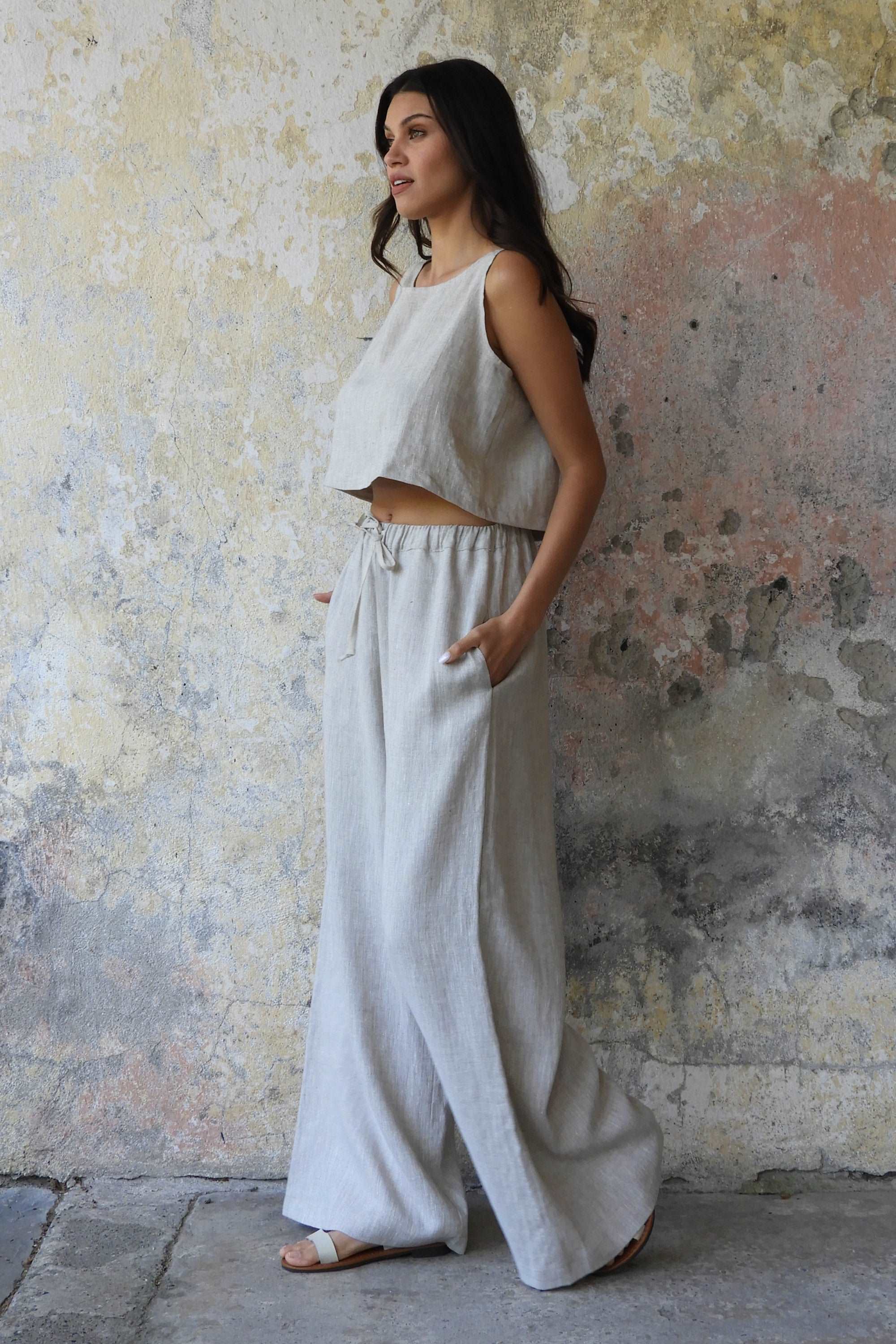
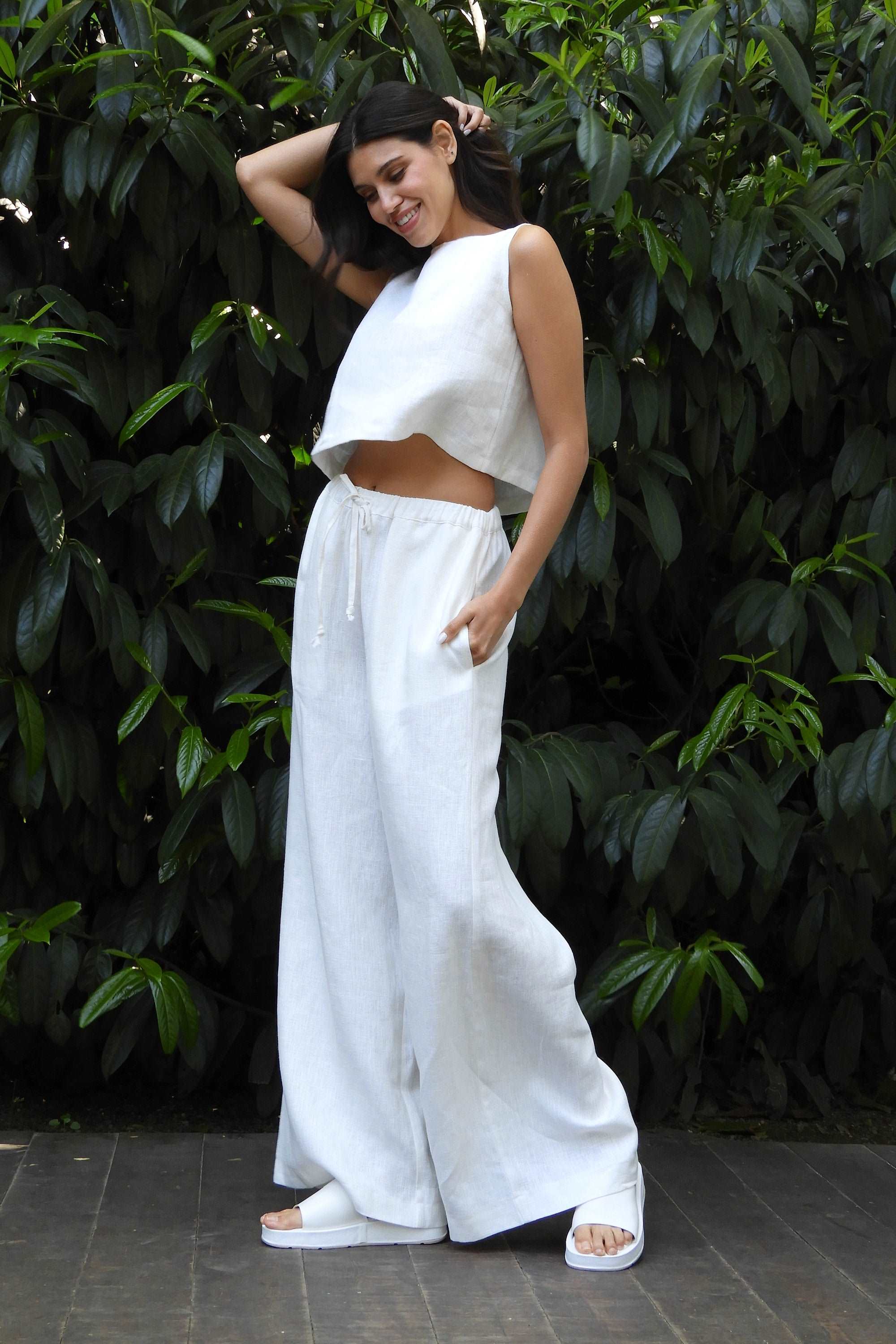
Linen Clothing: Consistent Performance in Hot Weather
Linen is widely used because it performs reliably in heat.
It is suitable for:
- summer outfits
- daily wear
- travel in warm climates
Key properties:
- strong airflow → helps regulate body temperature
- moisture absorption → stays dry on skin
- durability → maintains structure
- becomes softer over time
Sustainable Gauze Cotton: Breathable Without Being See-Through
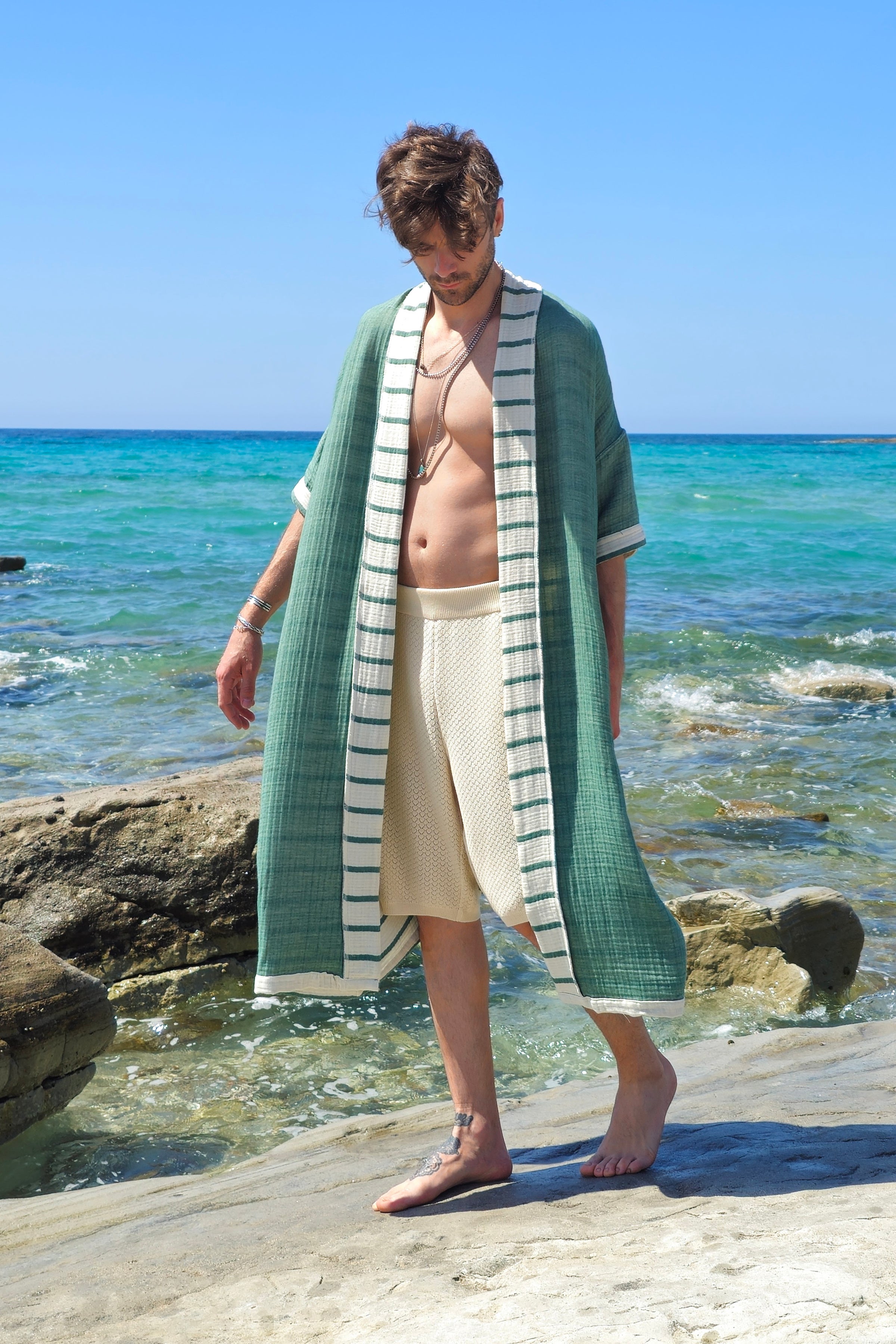
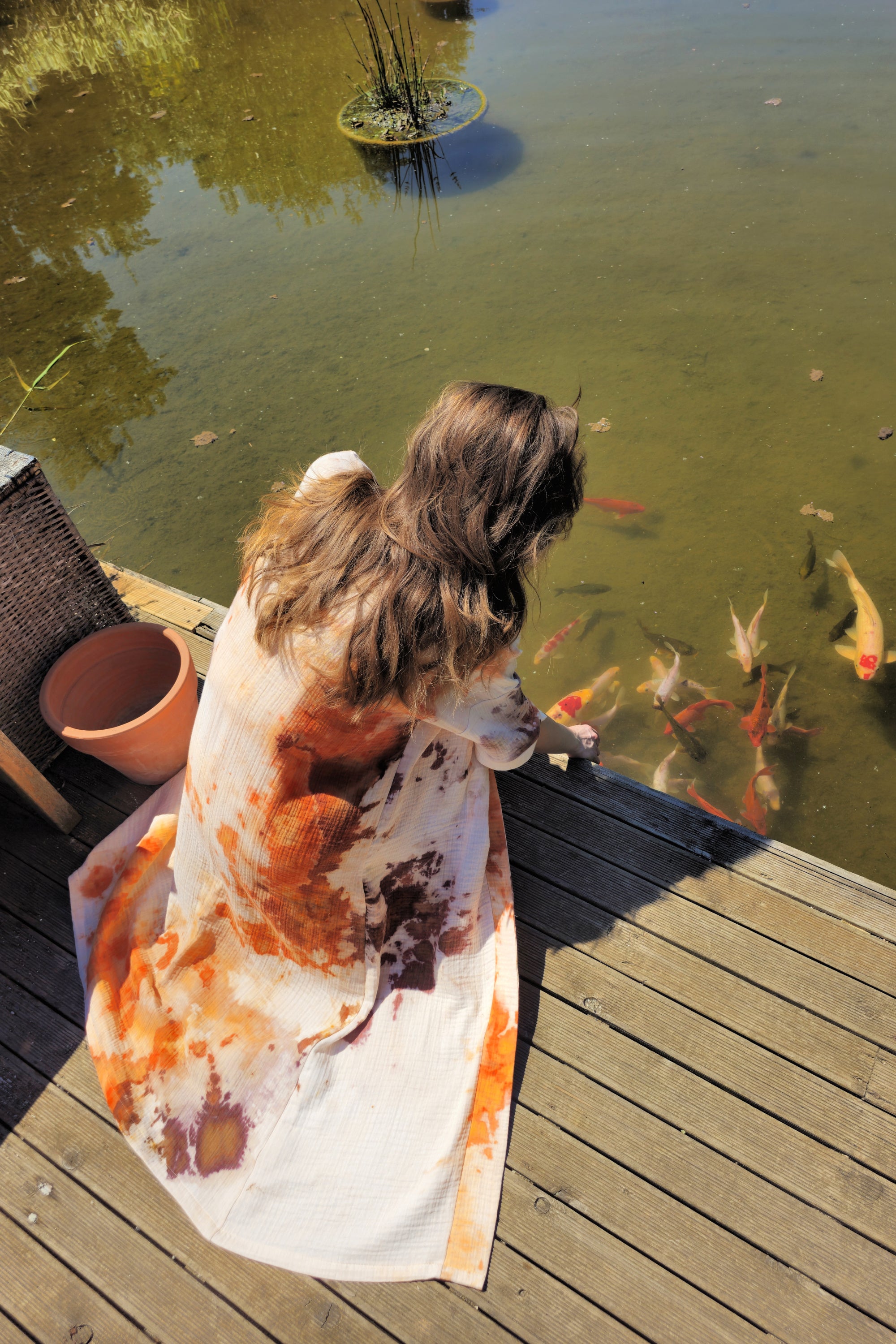
Lightweight fabrics often raise concerns about transparency. Multi-layer gauze cotton solves this.
It is suitable for:
- relaxed silhouettes
- layering pieces
- all-day wear
Key properties:
- layered construction → airflow with coverage
- soft texture → comfortable for long periods
- balanced temperature → suitable across seasons
Fabric Comparison in Real Use
The difference between these fabrics becomes clear not in theory, but in how they behave after a few hours of wear.
Hemp and linen answer two different problems. Hemp is the more reliable choice when you care about how a garment holds up through the day and over time. It keeps its shape better, which matters in pieces like pants where stretching or sagging can change the look. Linen feels lighter and cooler, especially in direct heat, but it relaxes faster. If staying cool matters more than keeping a structured look, linen becomes the better option.
Linen and gauze cotton also serve different needs. Linen is more effective when the body needs to release heat. It dries faster and feels less dense. Gauze cotton, especially in layered form, is softer against the skin and feels more stable during long wear, particularly indoors or in mixed temperatures. If the priority is reducing irritation and maintaining comfort for hours, gauze cotton becomes easier to live in.
Cupro shifts the decision toward appearance and movement. It follows the body and keeps a smoother, more controlled silhouette, which makes it more adaptable in settings where presentation matters. Linen doesn’t offer the same fluidity, but it remains more breathable, which keeps it practical in heat.
Hemp and gauze cotton separate over longer use. Hemp improves with time while maintaining its structure, which makes it a better choice if you want fewer replacements. Gauze cotton offers immediate comfort but is lighter in construction, so the decision depends on whether you prioritize long-term use or instant softness.
In practice, the choice depends on what you need the garment to do. If you want it to stay consistent through repeated wear, hemp is more dependable. If your main concern is staying cool, linen performs better. If comfort against the skin is the deciding factor, gauze cotton is easier. If movement and a more refined appearance matter, cupro fits more naturally.
Fabric Comparison: Which One Should You Choose?
| Need | Best Fabric |
|---|---|
| Long-term durability | Hemp |
| Soft, fluid movement | Cupro |
| Hot weather comfort | Linen |
| Lightweight with structure | Gauze cotton |
How to Choose the Right Fabric for Your Use
- For everyday wear: Hemp and linen perform best due to durability and breathability.
- For warm climates: Linen and gauze cotton allow maximum airflow.
- For movement and comfort: Cupro adapts to the body and does not restrict motion.
- For travel wardrobes: A mix of hemp (structure) and cupro (flexibility) works well.
For a full wardrobe strategy, see: The Modern Nomad: How to Build a Minimalist Travel Wardrobe
For heat-related fabric decisions: Best Colors to Wear in Summer to Stay Cool
Why Natural Fabrics Perform Better Over Time
Natural fibers improve with use instead of degrading.
Over time:
- they soften instead of stiffening
- they maintain breathability
- they require fewer replacements
This reduces both cost and environmental impact without needing constant wardrobe updates.
Conclusion
Fabric is only one part of how clothing performs over time. Cut and construction matter just as much.
When the material, fit, and stitching work together, comfort improves, durability increases, and the garment holds its shape through repeated wear. This is what defines a well-made piece that stays in use over time.
FAQ
What is the best fabric for hot weather?
Linen, hemp and gauze cotton perform best because they allow airflow and absorb moisture without trapping heat.
Is hemp clothing comfortable or rough?
Hemp can feel structured at first but softens significantly after washing while keeping its durability.
What makes Odana’s fabrics different from other sustainable clothing?
The difference comes from material quality and construction. Odana’s fabrics are produced using high-quality yarns, which improves durability, texture, and long-term performance. The result is fabric that holds its shape better, feels more refined, and continues to soften with use without losing structure.
Does linen shrink after washing?
Linen, like most natural fabrics, can shrink slightly after the first wash. For this reason, we allow for natural shrinkage during production by preparing our garments with a little extra length. This helps the piece keep its intended proportions after washing rather than ending up shorter than expected.
Are lightweight fabrics see-through?
Single-layer fabrics can be, but multi-layer gauze cotton is designed to provide coverage while staying breathable.
